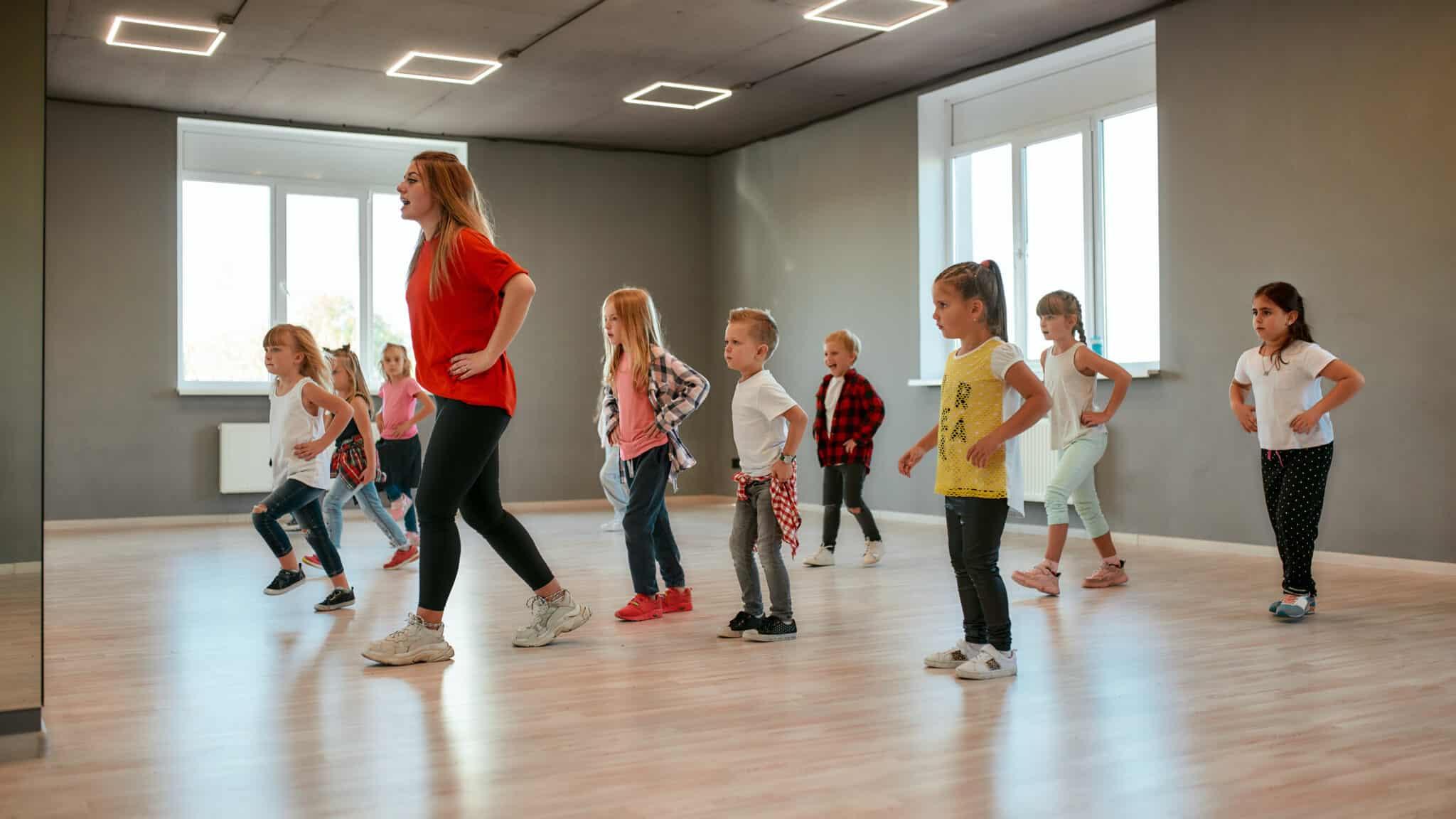
Key points on teaching dance without a diploma
- State Diploma mandatory to teach ballet, contemporary and jazz dance
- No diploma required for hip-hop, salsa, African dance or urban dance styles
- Exemptions possible for professional dancers changing careers
- Criminal penalties for illegally teaching a discipline that requires the diploma
- Reputation and experience are essential to make up for not having a diploma
Is it legal to be a dance teacher without a diploma?
In France, to become a dance teacher, you normally need to obtain the State Diploma in dance in one of the three recognized specialties: ballet, contemporary dance or jazz dance.
This diploma, issued under the authority of the Ministry of Culture and prepared in accredited higher education institutions, is mandatory in establishments such as conservatories and approved dance schools, where safety and teaching standards must meet established norms.
The aim is to give students solid training and pass on in-depth technical knowledge.
The State Diploma requirement is based on article L362-1 of the French Education Code. Teaching ballet, contemporary or jazz dance without the diploma (or an exemption) is an offense punishable by a fine of up to €15,000. This rule aims to protect students’ physical health given the technical demands of these three disciplines.
The conditions for exemption from the diploma
In France, to become a dance teacher, you’re generally required to hold a dance teacher State Diploma to ensure safety, teaching quality and a legal framework for classes. However, there are specific cases where it’s possible to become a dance teacher without this diploma.
- Organizations that allow teaching without a diploma
Some organizations, such as associations or non-approved private schools, allow dance teachers to teach without a State Diploma. This is often the most accessible route: here’s how to teach dance classes in an association.
Recruitment can be based on teachers’ skills, experience and reputation rather than their qualifications.
- Exemptions for professional dancers changing careers
Professional dancers changing careers can sometimes obtain an exemption that allows them to teach without a State Diploma. These exemptions take into account the experience gained during their artistic career, which they can pass on to students.
No need to take the technical aptitude tests or follow an official training program.
- Teaching specific disciplines
The dance teacher State Diploma is mandatory to teach academic styles such as ballet, contemporary dance or jazz. However, some so-called non-academic dances — such as African dance, hip-hop, salsa or bachata — aren’t subject to the same regulations.
This freedom lets teachers offer classes without having to obtain a State Diploma.

The advantages of being a dance teacher without a diploma
Although there are restrictions, teaching dance without a diploma has some attractive advantages, particularly in terms of teaching freedom and flexibility.
Teaching freedom and a personal approach
As a teacher without a diploma, you can freely choose the programs and techniques you want to teach, without following the academic standards set by conservatories or recognized institutions. This freedom lets you pass on a personal style, meet the expectations of a diverse audience, and even explore more contemporary styles or variations driven by current trends in dance.
This creative approach is particularly appreciated in associations or by students looking for a freer introduction to dance.
Less red tape and more work opportunities
Obtaining the State Diploma in dance means following a training program that is long and often expensive, with mandatory tests and exams. By teaching without a diploma, dance teachers can bypass these requirements and start their activity more quickly, whether as self-employed teachers or by working in non-approved organizations.
This freedom attracts many dancers who want to start their career without going through the long, demanding State Diploma route. For comparison, it can be useful to know the different training paths to become a professional dancer.
Recognized experience
Some dance teachers without an official diploma are recognized for their extensive experience or expertise in a specific discipline. This recognition can replace the diploma in certain circumstances, especially if you have a reputation in your field.

The drawbacks and risks of being a dance teacher without a diploma
Despite these advantages, becoming a dance teacher without a State Diploma has significant limitations and risks that it’s crucial to understand.
Restricted access to recognized organizations and career opportunities
One of the main drawbacks for a dance teacher without a diploma is limited access to public institutions such as conservatories and approved schools, where the State Diploma is mandatory. These organizations offer real professional recognition, a network and career development opportunities.
Teaching without a diploma therefore limits access to these organizations and reduces potential monthly earnings, especially for those who want to teach at a higher level or join a recognized training center.
Less recognition and credibility with parents and students
Even with a lot of experience, not having an official diploma can be seen as a lack of qualification by parents or students, especially in academic disciplines like ballet or contemporary dance.
The State Diploma is often seen as a guarantee of quality and safety, particularly in organizations that require a high level of supervision for students, such as the national conservatory or the Centre national de la danse. This recognition plays a key role in how a teacher’s skills are perceived.
Greater liability for injuries and risk management
Teaching dance requires teaching skills and particular attention to students’ health and safety. As a dance teacher without a diploma, it’s harder to demonstrate knowledge of anatomy or physiology, which are part of the State Diploma curriculum.
In the event of an injury, legal and moral liability can be heavier, especially if the teacher works in an unregulated organization or as a self-employed teacher without a certificate or accreditation of prior learning.
How can you teach dance without a diploma and still succeed?
To become a dance teacher without a diploma, it’s important to make the most of your skills and use additional resources to establish your credibility. Here are a few strategies for succeeding as a dance teacher without a diploma.
Build strong experience and specialize in one discipline
Building experience is essential to make up for not having a State Diploma. Performing in shows and competitions, or working in private schools or associations, can help legitimize your profile.
Alternative certifications or additional training in yoga, Pilates or other body techniques can also help establish a professional image. Knowledge of dance in all its forms (ballet, contemporary, urban, etc.) then becomes a major asset.
Focus on reputation and personal branding
Without official validation, it’s essential to build a reputation. Create a website or social media page to promote your classes and actively communicate about your successes, your students and your projects.
Use digital marketing to attract students and build a strong brand image. Building a community can strengthen your credibility and legitimize your background. Here again, working on your online visibility becomes a real lever to make up for not having a diploma.
Whether you teach with or without a diploma, structuring your activity makes the difference. A clear online schedule, automated registrations and a digital attendance list (your students check in from their smartphone) let you focus on teaching, not admin.
Use management tools to simplify admin
Working as a dance teacher, even without a diploma, involves administrative tasks. Software like Viviarto can be a great help for independent teachers or associations, simplifying the management of registrations, schedules and payments.
With tools like these, you can make the most of your time and focus on what matters: teaching and passing on your passion for dance.
Becoming a dance teacher without a diploma is possible, but it means fully understanding the legal restrictions and the responsibilities involved. For those who want to teach without an official qualification, it’s essential to make up for it with solid experience, technical skills and strong communication about your professional profile.
Whether you teach in an association or are self-employed, it’s crucial to build legitimacy around your background, particularly by using the right marketing and management resources. This is often what makes the difference between a side activity and making dance a profitable career over the long term.
Whether you’re starting out as a self-employed teacher or joining an existing organization, don’t underestimate the time spent on admin. Since 2018, we’ve supported more than 200 schools, associations and MJCs across France. You can check out our plans to find the one that suits your project.
Frequently asked questions
Can you teach dance without a diploma in France?
Yes, in some cases. The State Diploma is only mandatory to teach ballet, contemporary and jazz dance. For non-academic dances (hip-hop, salsa, bachata, African dance, urban dance styles), no diploma is legally required. Exemptions also exist for professional dancers changing careers.
Which dances can you teach without a State Diploma?
All so-called non-academic dances are open: hip-hop, breakdance, salsa, bachata, kizomba, African dance, belly dance, country, rock, lindy hop, commercial modern jazz and urban dance styles in general. Only ballet, contemporary dance and academic jazz require the State Diploma.
What status should you choose to teach dance without a diploma?
The two most common options are self-employment (micro-enterprise), to start simply with few formalities, and joining a 1901 Act association as an employee or occasional instructor. Portage salarial (an umbrella employment arrangement) is also possible to keep social protection while staying independent.
What are the risks of teaching without a diploma?
Teaching a discipline that requires the State Diploma (ballet, contemporary, jazz) without holding it is an offense punishable by a fine of €15,000. Beyond the legal framework, liability in the event of an injury can be heavier, and your credibility with parents and students may suffer.
How do you get known as a dance teacher without a diploma?
Focus on your stage experience and your specialization in one discipline. Build a strong online presence (Instagram, TikTok, YouTube), create a community around your style, offer workshops or masterclasses, and partner with associations or non-approved private schools. Reputation more than makes up for not having a diploma.