Where to teach dance classes based on your profile?
The question of where to teach dance classes isn’t the same for everyone. An independent teacher won’t look for the same flexibility as a structured association, and a professional dancer won’t have the same needs as an occasional instructor.
Before choosing a venue, ask yourself these questions:
- Do you want to rent occasionally or regularly?
- Do you already have a student base?
- Are you looking for beginners, advanced dancers or a specific audience (children, adults, seniors)?
- Is your priority profitability, visibility or stability?
Clarifying these points will help you work out concretely where to teach dance classes in a consistent, lasting way.
The dance field: a wide range of opportunities
Dance is a multifaceted discipline, ranging from classical ballet to hip-hop, through contemporary dance, jazz and much more. Teaching dance lets you not only share your skills but also reach and inspire others. The question of “where to teach dance classes” is crucial to maximize the impact and accessibility of your classes.
Where to teach dance classes: the main options
In short: where can you teach dance classes?
- Dance studios
- Cultural centers and community centers
- Schools and universities
- Gyms and fitness clubs
- Online classes
Dance studios
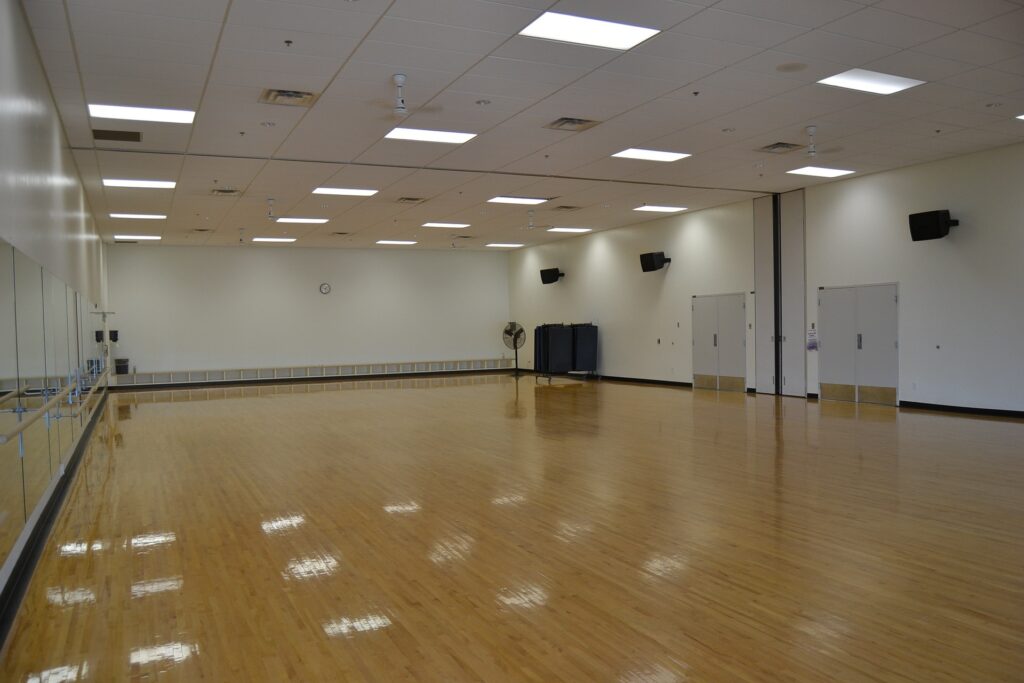
Dance studios are probably the most traditional place to teach. They generally offer suitable facilities, such as mirrors, ballet barres and sprung floors that help prevent injuries. Renting a slot in a dance studio lets you create a professional atmosphere and focus on teaching without distractions.
Advantages:
Specialized equipment
Professional atmosphere
Infrastructure dedicated to dance
📍 How do you find a dance studio for your classes?
If you choose a studio, find out about:
- The available time slots (off-peak hours are often more affordable)
- The hourly or package rate
- The cancellation terms
- The insurance required
- The equipment included (sound system, mirrors, barres)
Some cities have shared spaces designed specifically for artistic instructors. Comparing several options will help you maximize profitability while offering your students a professional setting.
Cultural centers and community centers
These venues are often community hubs offering a variety of artistic and cultural activities. Teaching dance classes in a cultural center or community center can attract a diverse audience and foster a friendly, inclusive atmosphere.
Advantages:
Access to a broad audience
Often affordable rental rates
Opportunities for artistic collaborations
🤝 Why choose a cultural center to teach dance classes?
Cultural centers are particularly suitable if you want to build a locally rooted project. They often let you reach people who don’t necessarily go to specialized studios.
If you’re wondering where to teach dance classes to a varied audience, these organizations are an excellent way in. They also make it easier to organize shows or group events at the end of the season.
Schools and universities
Schools and universities are prime places to offer dance classes, especially for young people. Including dance classes in school programs or offering after-school workshops introduces students to dance from an early age.
Advantages:
Young, motivated audience
Opportunities for regular programs
Teaching resources available
How do you teach in a school setting?
To teach classes in a school or university, you often need to:
- Propose a structured teaching project
- Present an artistic CV
- Show relevant experience or a diploma
- Provide a criminal record check if minors are involved
This option is ideal if you’re looking for where to teach dance classes regularly, with a stable, supervised audience.
Gyms and fitness clubs
Gyms and fitness clubs are increasingly including dance classes in their offer. Styles such as Zumba, cardio dance or dance fitness fit in perfectly. It’s an excellent option if you want to combine dance and fitness.
Advantages:
Access to customers already interested in exercise
Sports equipment available
Lively atmosphere
💪 Adapt your dance style to the fitness sector
If you’re wondering where to teach fitness-oriented dance classes, gyms are a strategic option.
However, it’s important to adapt your teaching: participants are often looking for a lively, accessible class focused on energy rather than pure technique.
A short, rhythmic, motivating format will help keep people coming back in this kind of setting.
Online
Online dance teaching has taken off with the rise of digital technology. Using platforms like Zoom, YouTube or specialized sites lets you reach a global audience. Although it requires extra technical skills, online classes offer unmatched flexibility.
Advantages:
Worldwide audience
Flexible schedules
Low infrastructure costs
🌍 How do you succeed at teaching dance classes online?
Teaching classes online requires specific preparation:
- A stable internet connection
- Good audio quality
- Framing that shows all the movements
- Sufficient lighting
If you’re looking for where to teach dance classes without geographical constraints, the online format offers a lot of freedom. It can also complement in-person classes and broaden your audience.
What budget should you plan for each venue?
Your choice of venue directly affects your business model.
Here are a few things to compare:
- Hourly rental (studio or municipal hall)
- Percentage taken by a gym
- Technical costs for online classes
- Any administrative fees
Before deciding where to teach dance classes, work out the minimum number of students you need to break even. This will help you set consistent prices.
Directors of dance associations: challenges and opportunities
As the director of a dance association, managing dance classes brings unique challenges but also many opportunities. The role involves coordinating various aspects such as logistics, finances, promotion and human resources management.
Challenges
- Logistics: finding and keeping quality spaces for classes can be complicated. This includes negotiating studio rentals or turning community halls into suitable dance spaces.
- Finances: securing stable funding through membership fees, grants and fundraising events is essential to the association’s long-term future.
- Promotion: attracting students requires ongoing marketing efforts, particularly through social media, local events and partnerships with other organizations.
Options and resources
- Dance federations: local or national federations often offer resources and advice for associations. They can provide grants, training and networking opportunities.
- Municipalities: town services may offer grants or spaces at reduced rates for cultural associations.
- Collaborations: working with other associations, schools or cultural centers can open up new opportunities for joint classes or events.
Common mistakes when looking for where to teach dance classes
Some mistakes can slow down your development:
- Choosing a venue that’s too expensive without a student base
- Overlooking the venue’s visibility
- Not checking the contract terms
- Underestimating scheduling constraints
- Not adapting your style to the venue’s audience
Thinking strategically in advance about where to teach dance classes will save you costly adjustments later on.
Conclusion
Finding the right place to teach dance classes depends on many factors, including the type of dance taught, the target audience and the resources available. Whether you choose a dance studio, a cultural center, a school, a gym or even an online platform, each option has unique advantages. By choosing your teaching venue wisely, you can create an environment that nurtures learning and a passion for dance.