The essentials for a successful dance show
- Start 6 to 9 months ahead: book the venue, choose the theme, cast the choreographies
- Set your goals (showing progress, raising funds, having fun) — they’ll guide all your decisions
- Plan your budget: venue rental, costumes, sets, technical crew, promotion, ticketing
- Build a dedicated team: technical (sound/lighting), costumes, sets, front-of-house volunteers
- Set up online ticketing and keep in regular contact with dancers and families
The initial phase: laying the groundwork
Goals for your end-of-year dance show
To organize a dance show, start by clearly defining its goals. Ask yourself what your show is really about. Is it to showcase your students’ progress, raise funds, put on something for the parents, or simply for the joy of performing? Your goals will shape every aspect of the organization, from choosing the repertoire to marketing the event.
Choosing the date and venue
Choosing the right date and venue is essential. Pick a date that doesn’t clash with other major community or school events, so look into what’s happening in your town at the end of the school year. Once you’ve decided on the date and confirmed it with your instructors and students, you can choose the venue. Make sure the venue is available on that date and offers enough space for both dancers and audience. Another important point is whether it has the technical equipment you need (sound system, lighting, etc.). Ideally, choose a venue that regularly hosts dance shows.

Municipal halls and theaters are often booked 6 to 12 months in advance for June. If your first choice of date is taken, keep 2-3 backup options and ask to see the venue in real conditions before signing: dressing rooms, access, capacity, available sound and lighting equipment.
Budgeting for your dance show
Draw up a preliminary budget that includes venue rental, costumes, sets, promotion and any other potential expenses. Diversify your funding sources to make your project sustainable. Consider funding sources such as participation fees, sponsors or fundraising. To complete this step, you’ll need to have chosen the theme for your end-of-year dance show. The theme will give you an idea of what you’ll need, and therefore of your costume and set budget. For some theme ideas for your end-of-year dance show, check out our dedicated article.
Artistic preparation and management
Choosing the pieces and casting
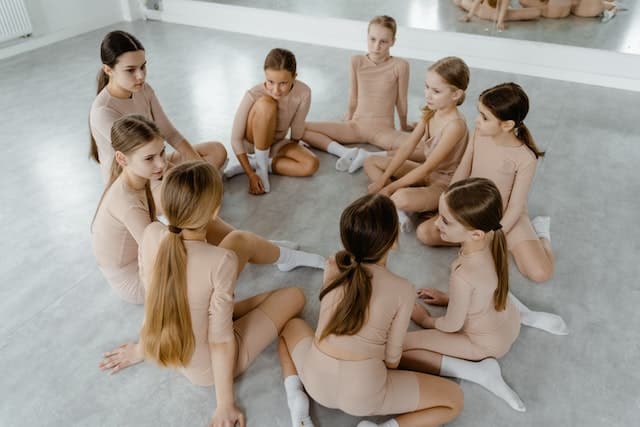
Choose your repertoire based on the dancers’ level and the variety of dance styles you want to present. Make sure every age group and level has its place in the show. You can build your end-of-year dance show around a specific theme that gives the show a common thread. Hold auditions if needed, and set a rehearsal schedule that ramps up as the big night approaches. Also plan one or two rehearsals in the venue you’ve chosen — it will help you see how everything comes together. Do it early enough in case you decide to make changes.
Auditions and rehearsals
You can organize one or more rehearsals and auditions if you think it’s necessary. Auditions are only useful for your dance show if you need to assign roles. To organize rehearsals and auditions, you’ll need to let the relevant students know. To do this, you can use member/student management software that lets you send emails or text messages to a targeted group of students by class, age, date, etc. Discover our member management software, which handles both management and communication with members and students — a feature built into Viviarto’s dance school management software. Plan a rehearsal schedule that gradually intensifies as the show approaches. Keep communication clear and regular with all participants to maintain engagement and motivation.
On the ground, the most time-consuming part as the show approaches is targeted communication: notifying only the students in the 6 p.m. class, chasing latecomers, sending the rehearsal schedule by age group. With a CRM built for dance schools, you can segment your contacts (by class, level or choreography) and send emails or text messages in just a few clicks.
Logistics: behind the scenes of your dance show
Organizing your dance show with a TEAM
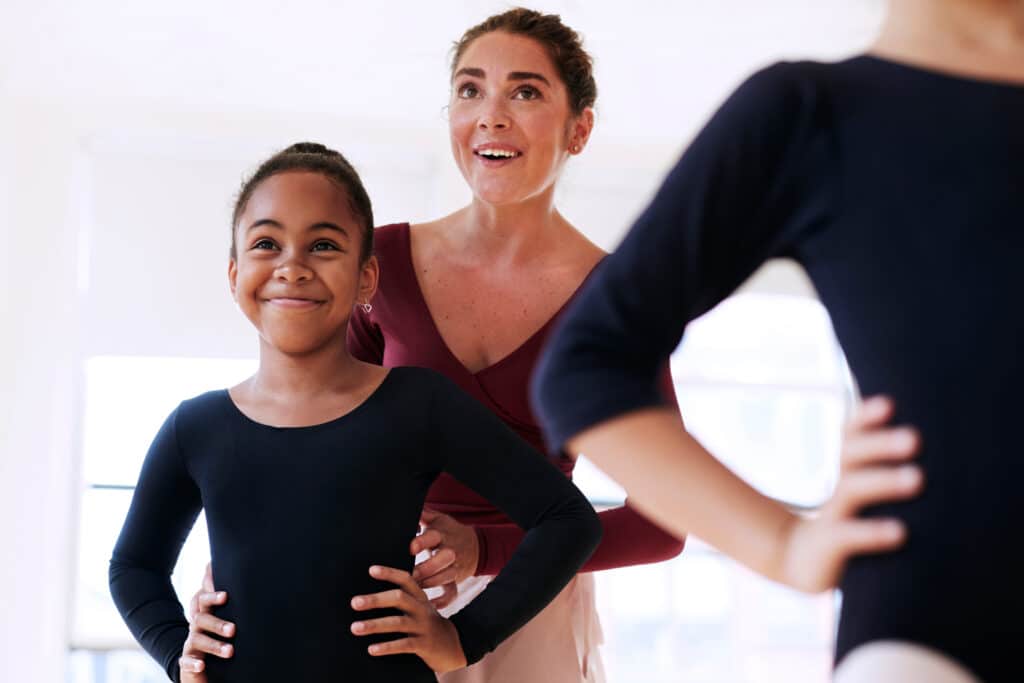
Build your team to make your dance show a success. Put together a technical crew to handle lighting, sound and set changes. Their work is crucial to the show’s success on the big day. Who will take care of the costumes? Who will build the sets? Do you need to hire extra teachers to supervise rehearsals? It’s this full team that will create the harmony between aesthetics and practicality that enriches your audience’s visual experience. That’s how you’ll deliver the best possible experience for your end-of-year dance show.

Costumes and sets
When organizing a dance show, designing the costumes and sets is a key pillar that reflects the soul and atmosphere of the event. To make this creative mission a success, it’s crucial to start designing and making the costumes well in advance. This not only helps you deal with any setbacks but also gives dancers the time they need to get used to their outfits, ensuring a performance where comfort and aesthetics come together.
As for the sets, their design should go beyond simple functionality to visually echo the themes explored in each choreography. When you set out to organize a dance show, the harmony between the sets and the pieces performed enriches the audience’s visual experience, turning the stage into a living picture where every decorative element helps tell a story. This synergy between costumes and sets is essential to fully immerse the audience in the artistic world you want to share.
Promoting your dance showMarketing and ticketing: the strategy for your dance show
When organizing a dance show, an effective marketing strategy and an accessible ticketingsystem are essential to make the event visible and simplify the buying process for the audience. Start by rolling out a diverse promotional campaign — eye-catching posters, social media and press releases aimed at local and dance-focused media — which can greatly increase interest and anticipation around your show. Plan your communication campaign well ahead to fill as many seats as possible.
Setting up an online ticketing system is another crucial aspect of organizing a dance show. The system must be secure but also intuitive, so audience members can easily choose their seats and pay without any hassle. By offering online purchase options, you meet modern expectations of convenience and efficiency, making it easier for more potential attendees to come. Building these elements into your planning will not only extend your dance show’s reach but also deliver a better user experience from the very first point of contact.
Show day
A successfully organized dance show culminates in a smooth-running show day — a stage where every detail counts to give your audience and dancers an unforgettable experience.
Dress rehearsal
A dress rehearsal is crucial to fine-tune your dance show. Held in conditions that simulate the real performance, it should ideally take place the day before or the morning of the show. It offers an invaluable opportunity to spot and fix final technical and artistic adjustments, making sure every move, every light cue and every musical note contributes perfectly to the overall harmony. It’s the moment to get the technical crew in sync with the performers, ensuring the flow and cohesion that are essential to the show’s success.
Welcoming the audience
Welcoming the audience plays a big role in the overall experience of your event. A warm, professional welcome, organized by a team of well-informed volunteers, sets a positive tone as soon as spectators arrive. These volunteers can guide guests efficiently, sell programs and answer any questions. They’re the face of your organization and leave a lasting impression of quality and attention to detail.
Backstage at your dance show
Behind the curtain, backstage organization should run like a well-oiled machine, where calm and order prevail. Dancers, the stars of your dance show, need to clearly know their schedule: where and when to get ready, and how to line up perfectly for their entrances. This backstage discipline is key to avoiding unnecessary stress and lets performers focus fully on their performance.

Conclusion: organizing a dance show
By following these steps to organize a dance show, you’re not just maximizing your chances of success. You’re also creating an unforgettable experience for both dancers and audience. Organizing an event like this is an adventure full of passion and determination, promising wonder and shared pride. By embracing the process, you strengthen the bonds within your artistic community and offer a stage where creativity and talent can flourish freely. Through this collaborative effort, your dance show becomes a memorable celebration of art and community. Enjoy the show!
Frequently asked questions
How far in advance should you organize a dance show?
Allow 6 to 9 months minimum. The venue is often booked at the start of the school year for a June show, followed by choosing the theme, choreographies, costumes and rehearsals, which ramp up in the last 2 months.
What budget should you plan for an end-of-year dance show?
The budget depends on the number of dancers and how ambitious the show is. The main expenses: venue rental, costumes, sets, sound and lighting, promotion. Diversify your revenue (ticket sales, sponsors, family contributions).
How do you choose the venue for your dance show?
Check 4 criteria: capacity (audience + dancers), available technical equipment (stage, sound, lighting), dressing rooms and changing areas, and accessibility. Choose a venue that regularly hosts dance shows.
Do you need online ticketing for a dance show?
Yes, it has become the norm. Families prefer to book and pay online rather than deal with cash or checks. Online ticketing also makes it easier to track entries and reduces lines on show day.
How do you manage communication with students and families before the show?
Centralize all your contacts in a single tool and segment them by group (class, level, choreography). You can then send targeted messages: rehearsal schedules, costume info, show-day instructions — without forgetting a group or spamming everyone.